From Gestel to Wiersma: An Evolution of Dutch Art
Early 20th-Century Art
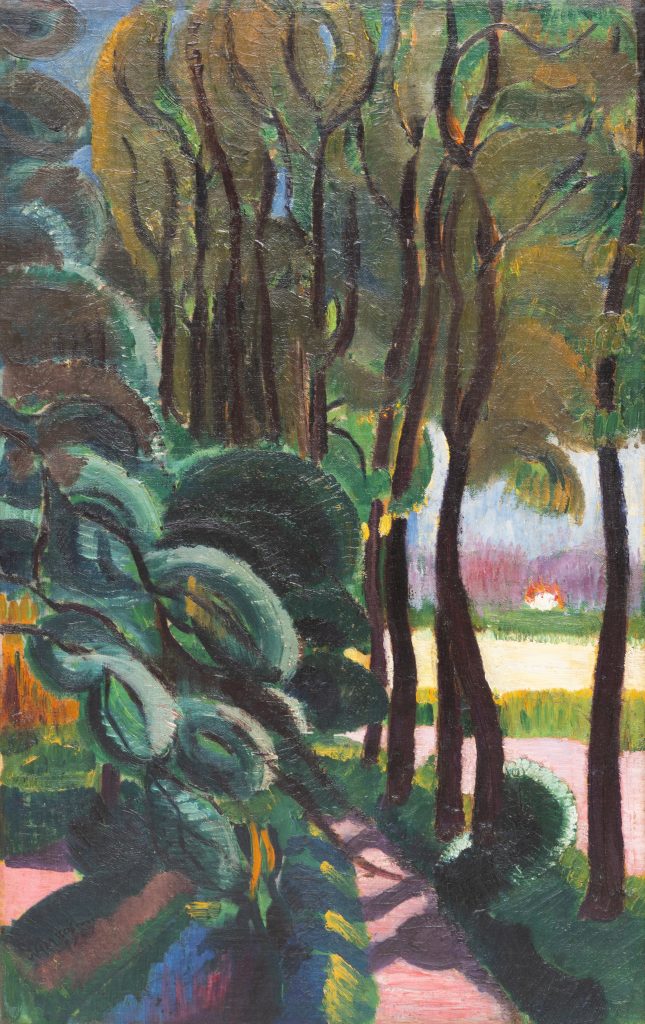
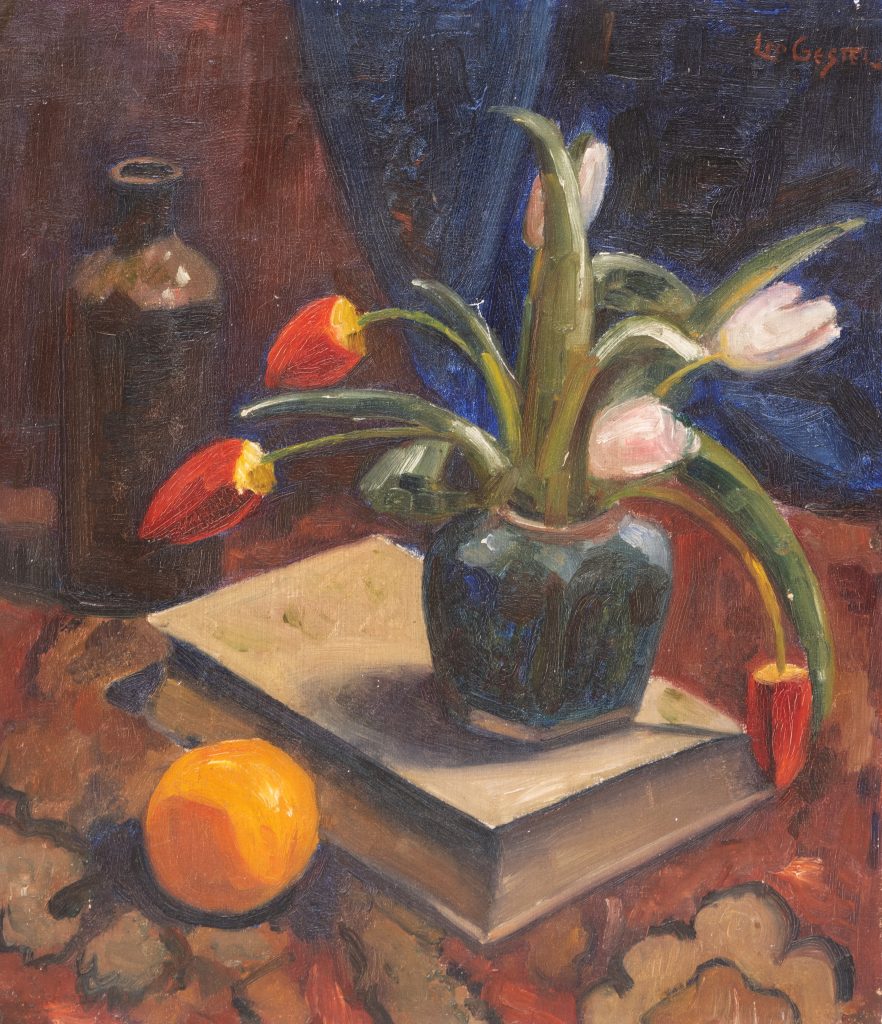
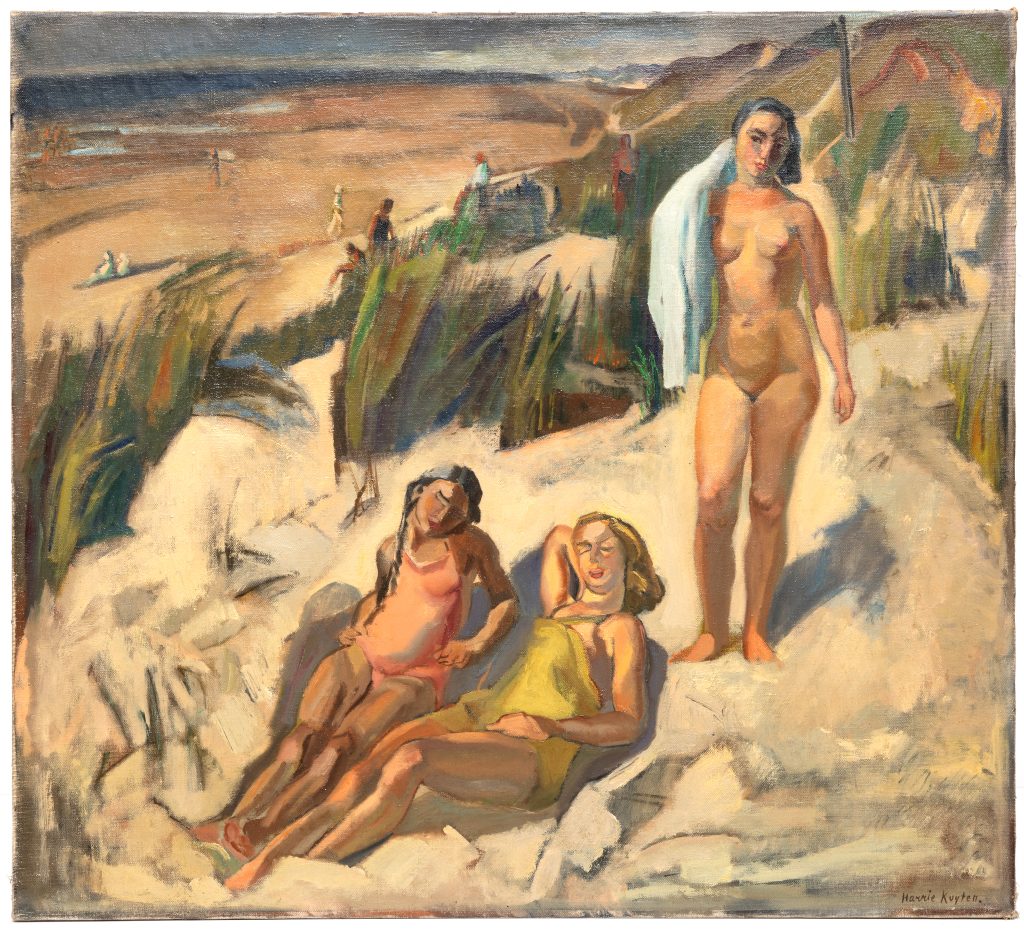
The Bergen School was a Dutch artists’ movement that was active primarily in and around Bergen, North Holland, in the early 20th century. Its artists painted landscapes, village scenes and still lifes in dark, earthy colours. Their work is characterised by solid forms, bold brushstrokes and a restrained use of colour. Among its leading representatives were Leo Gestel, Dirk Filarski and Harrie Kuyten. The Bergen School developed into an important movement within modern Dutch painting and played a significant role in the development of Expressionism in the Netherlands.
(Lots 6470, 6495 and 6520)
Modern and Contemporary Art
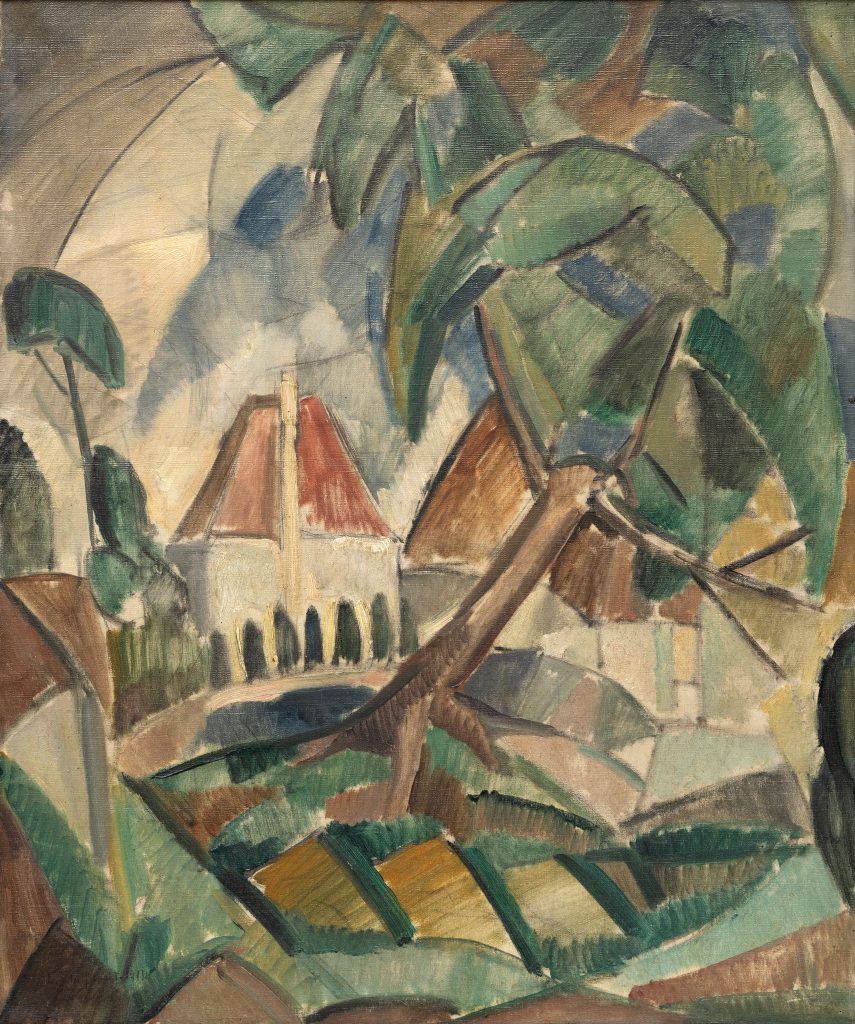
In the early 20th century, Lodewijk Schelfhout played an important role in bridging the international avant-garde and the Dutch art world. During his time in Paris, he became closely acquainted with Cubism and the innovative ideas of the French avant-garde. Through the Moderne Kunst Kring, he helped bring these developments to the attention of a Dutch audience and connected Dutch artists with the international art scene.
Through his work and activities, Schelfhout contributed to the transition from traditional painting to Dutch Modernism. Although much of his early Cubist work has been lost, his significance as a pioneer and intermediary remains considerable.
(Lot 6475)
Ruud Wiersma
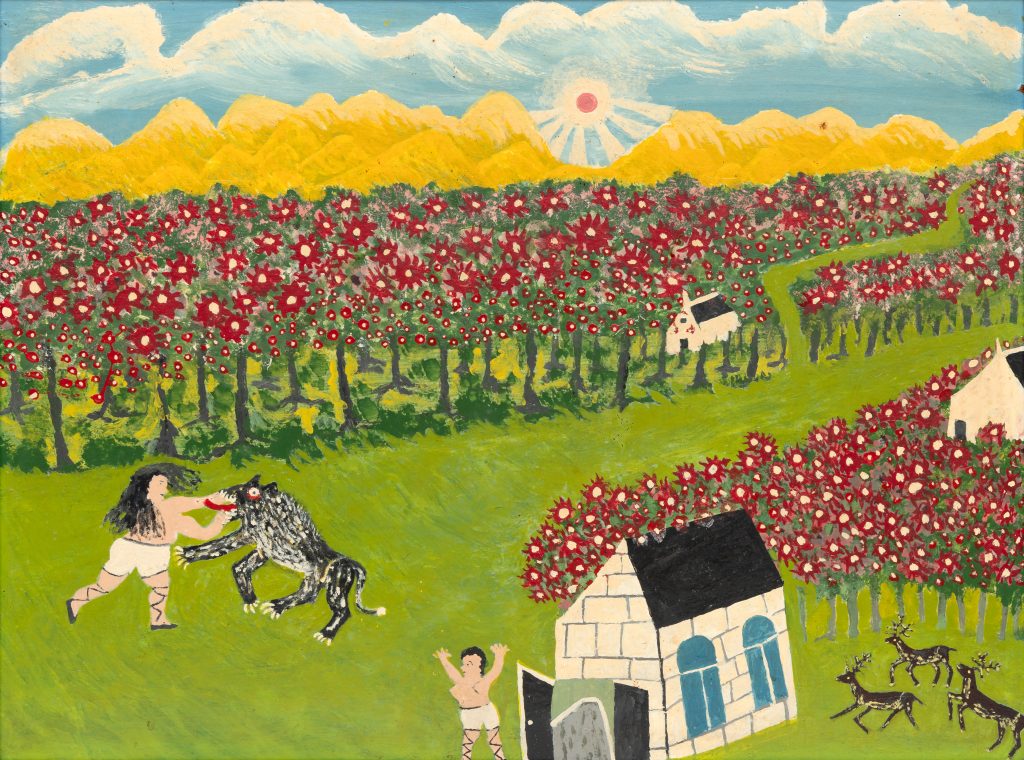
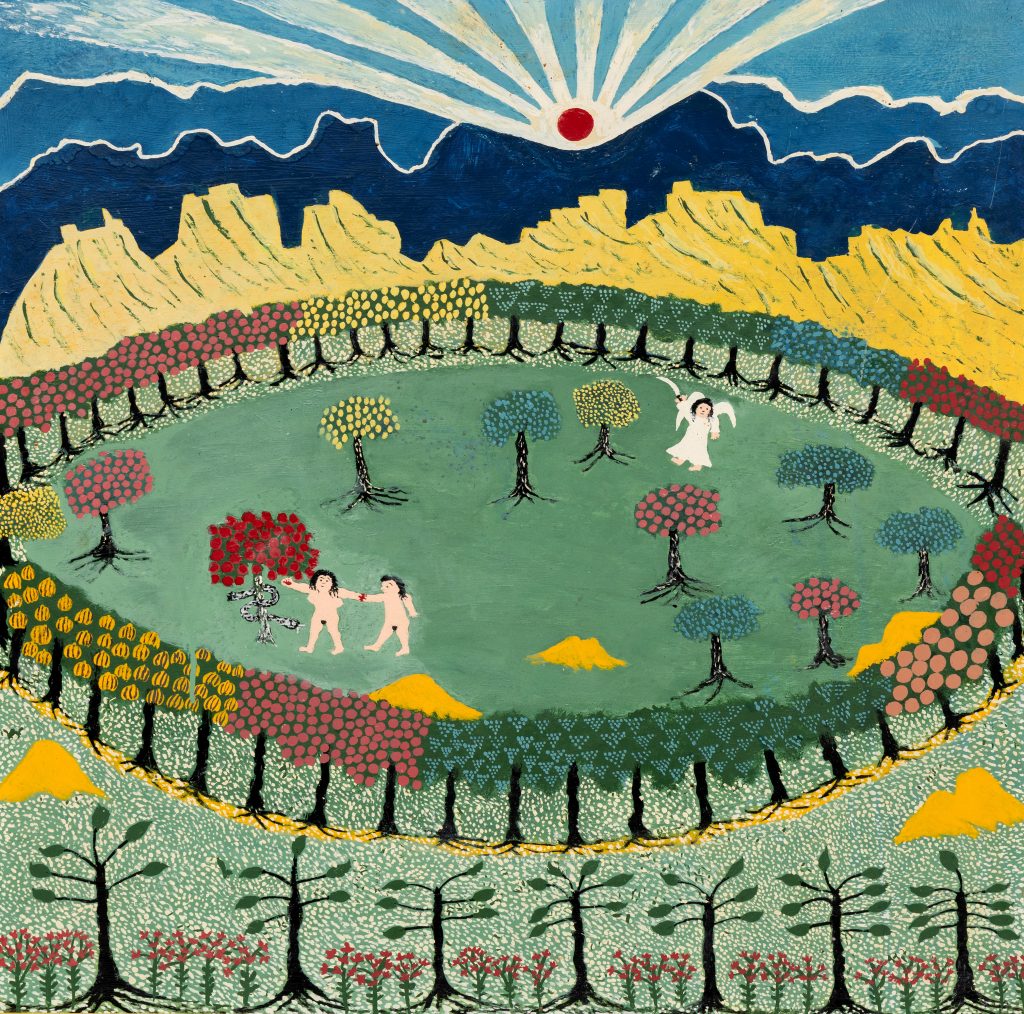
Our modern art selection includes two paintings by Ruud Wiersma (1904–1980), an artist whose work rarely appears on the market. Wiersma was a Frisian artist who became known primarily for his colourful and imaginative paintings of houses, landscapes, animals and biblical scenes, among other subjects.
His work is distinguished by its vivid colours, simple forms and wealth of decorative detail. Largely self-taught, Wiersma developed a highly individual and recognisable style. Today, his work is regarded as a distinctive form of outsider art. His paintings can be seen, among other places, at the Ruud Wiersma Museum in Birdaard.