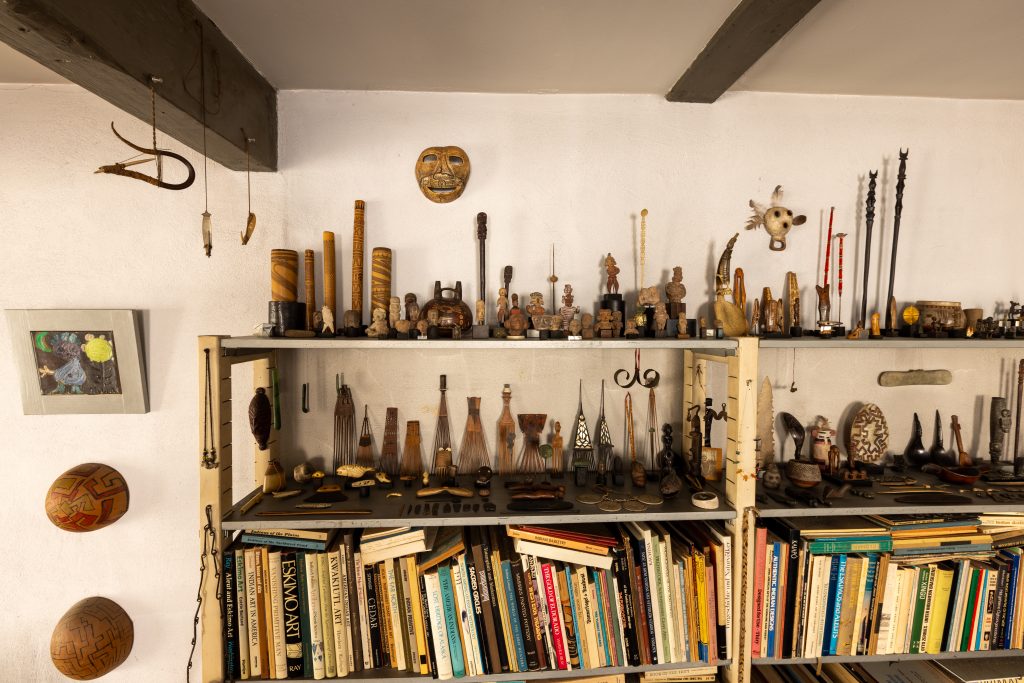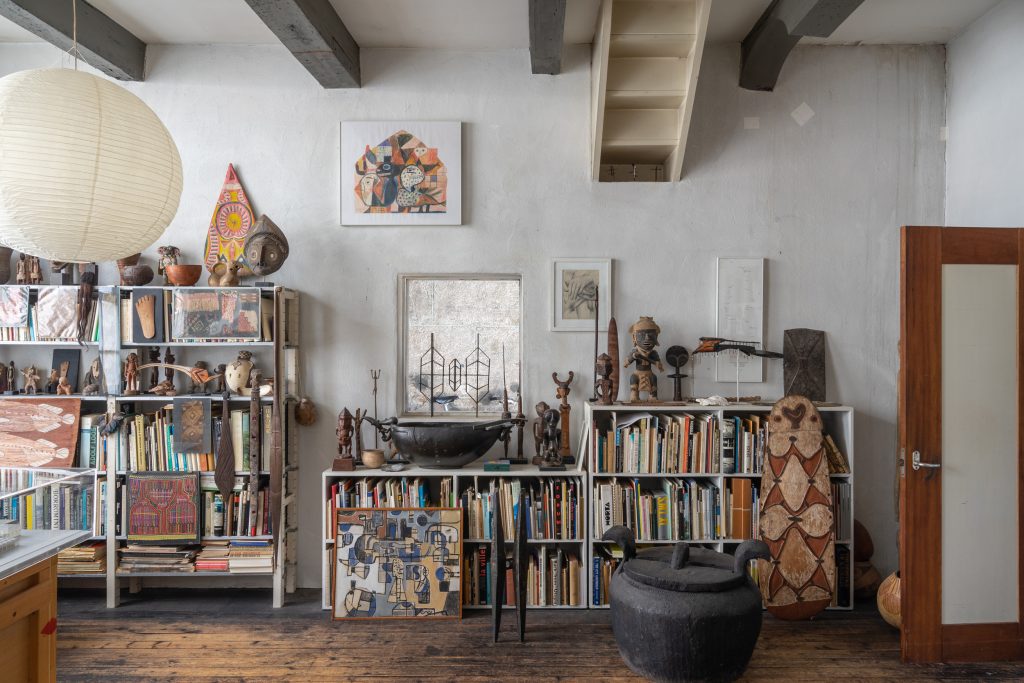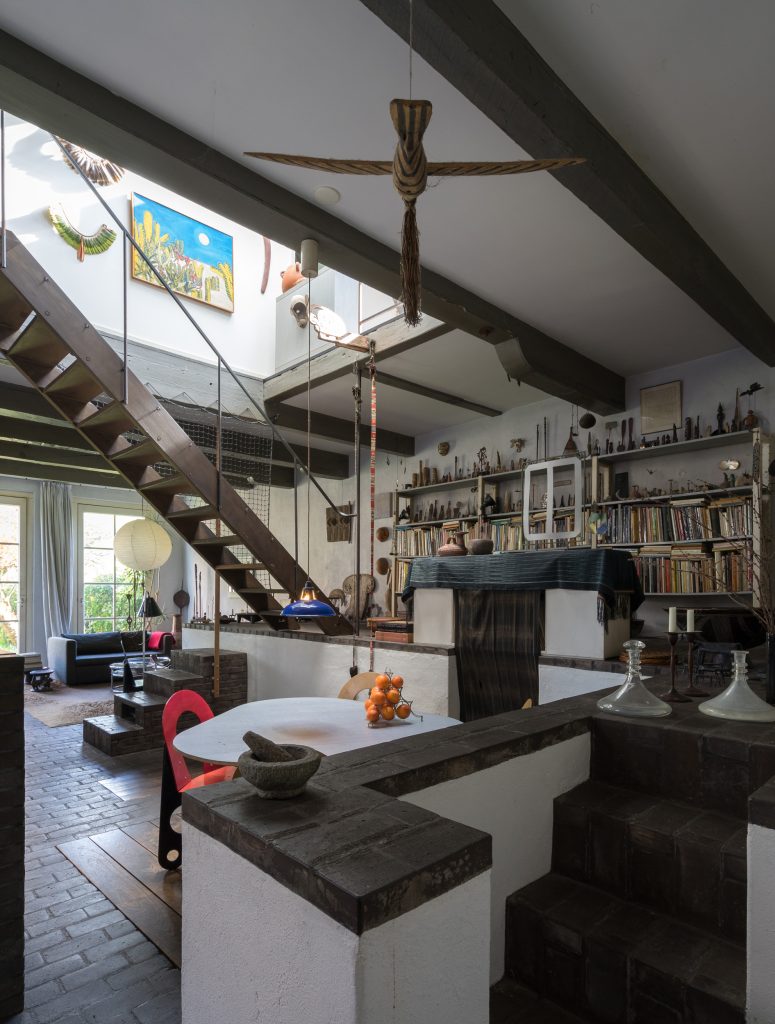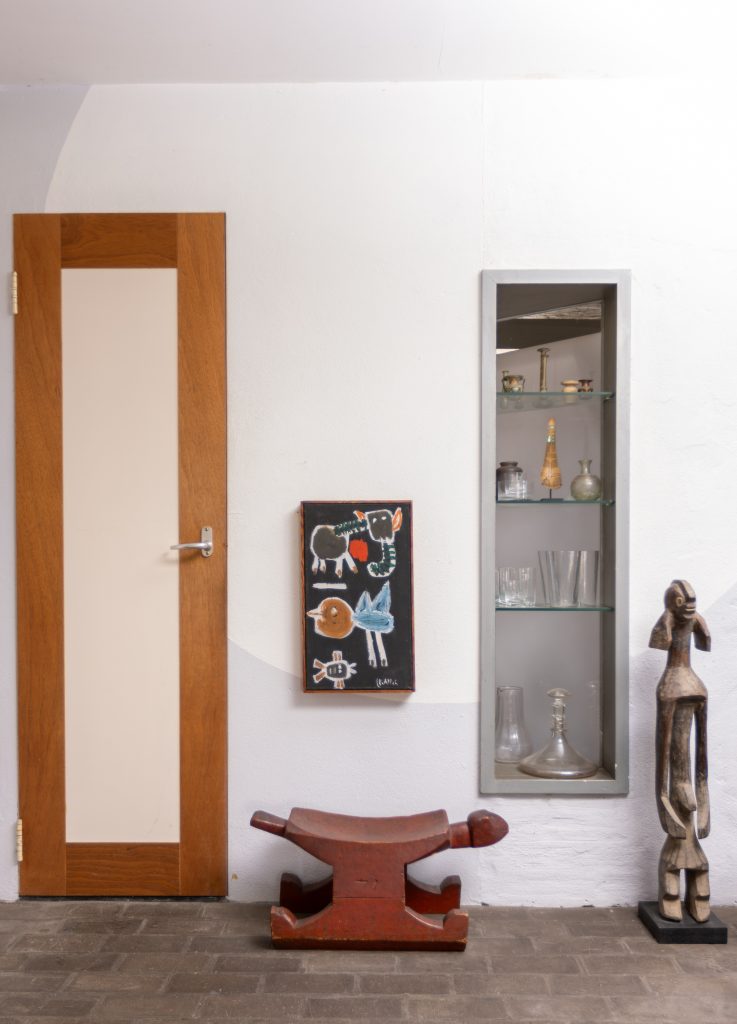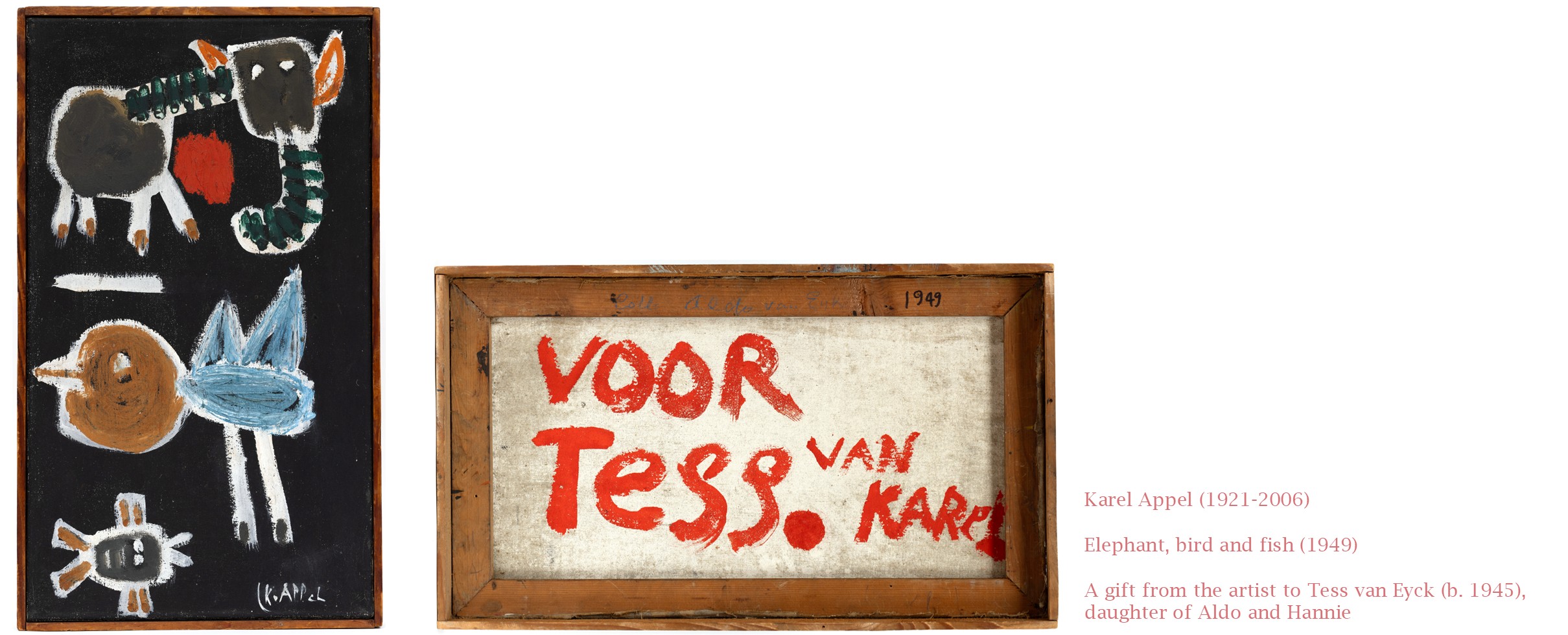
Aldo van Eyck died in his house in Loenen aan de Vecht, surrounded by his carefully curated collection of modern and non-Western art. The collection has always been kept in the house, with the family. Until now.
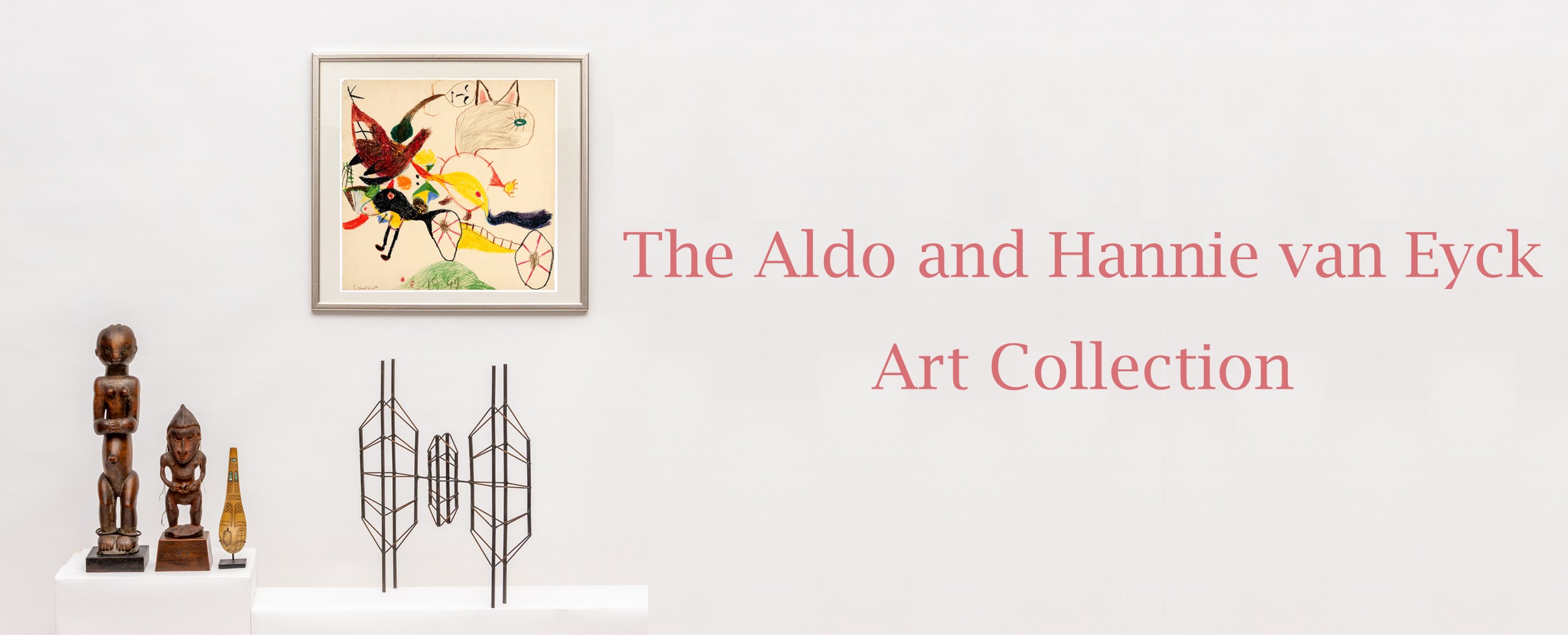
Aldo van Eyck (1918–1999) is known as a relatively autonomous, sometimes unconventional, and by some described as a rebellious architect, who perhaps for this very reason exerted an influence on architecture in the second half of the 20th century.
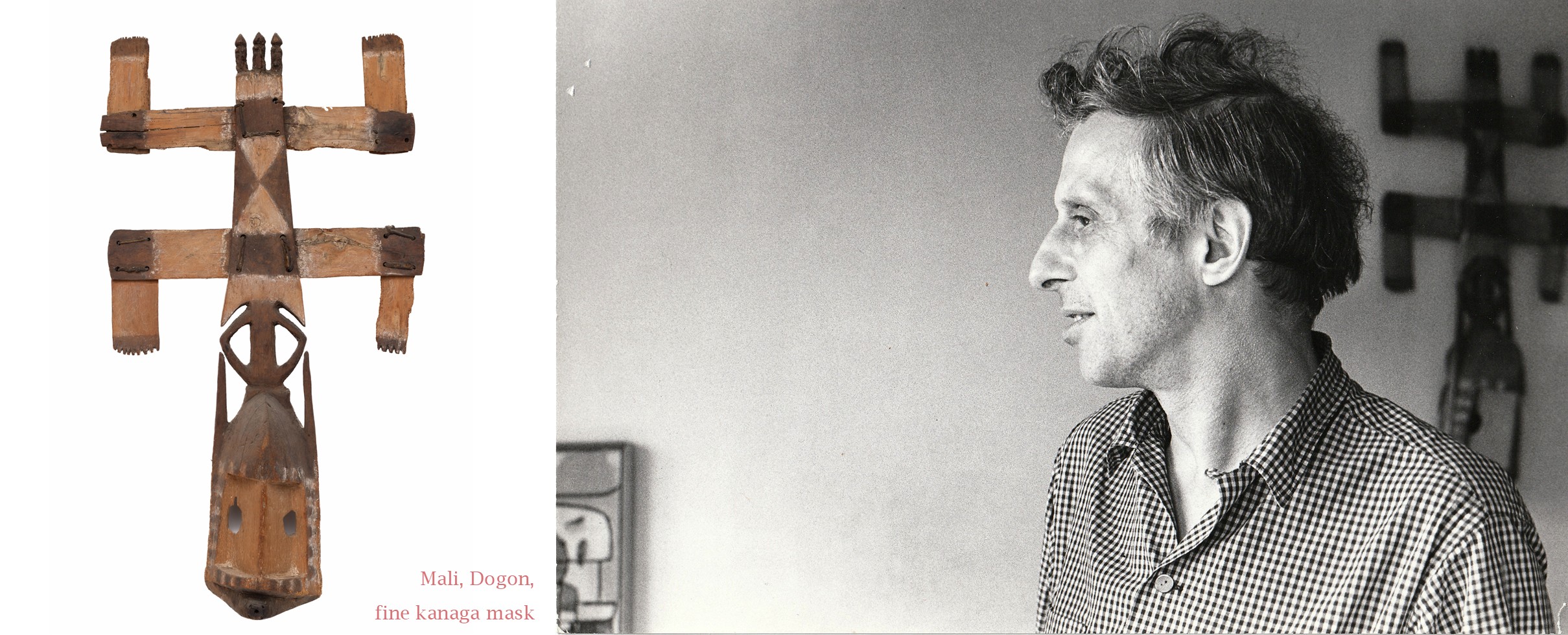
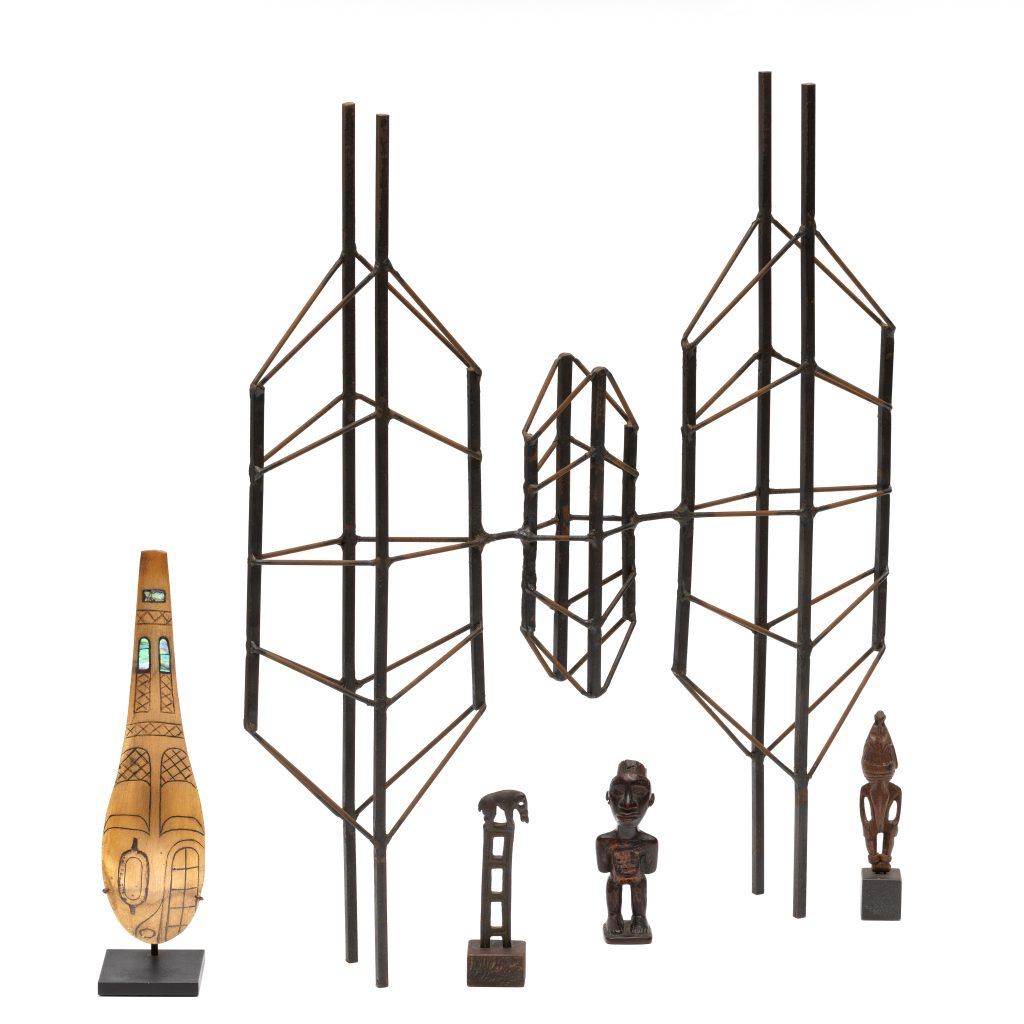
After living in London and Zurich, Aldo, together with his wife Hannie, returned to the Netherlands.
In Amsterdam, Aldo found work at the Public Works Department, where he became responsible for designing public playgrounds for children. He gained international fame with his groundbreaking design for the former Burgerweeshuis (Orphanage) in Amsterdam-Zuid.

During this period, he met Constant Nieuwenhuis, who introduced him to the world of other COBRA artists. His modern art collection, which already included works by Miro, Picasso, Arp, Klee, Tanguy, Ernst, and Kandinsky, was expanded.
In addition to writing about these artists, he also designed exhibitions for various museums.

In Zurich, Aldo met Tristan Tzara, a collector of African and Oceanic art. Tzara was a co-organizer of the 1930 exhibition l’Exposition d’art africain et océanien. These encounters introduced Aldo to non-Western art, which possibly led to his travels to North Africa, where, together with Hannie and other artists and architects, he discovered a new world.