Archaeological finds from Syria and Egypt
In northeastern Syria, at the archaeological site of Tell Brak, excavations have unearthed what are known as eye idols. These small, often flat figurines, no larger than a palm, date back to the Chalcolithic (c. 3500–3100 BCE) and are typically made of alabaster, gypsum, or other soft stone.
Characteristic of these idols are the elaborate, large eyes, which often form the dominant feature of the object. The rest of the figure is highly stylized: a pillar-like body without arms or legs. The concentration of these eye idols in the so-called Eye Temple suggests that they had a ritual or votive nature.
Scholars interpret the figurines as worshipers or representatives of the faithful, whose watchful gaze symbolized a permanent presence in the sacred space. Their sheer number—thousands of examples were found at one site—suggests a communal practice, rather than a personal or elite-oriented devotion.
While the precise meaning of the eyes remains open to interpretation, it is generally accepted that they symbolized vigilance, protective power, or divine attention. The eye idols thus constitute one of the earliest material testimonies of human religious expression and collective ritual practice.
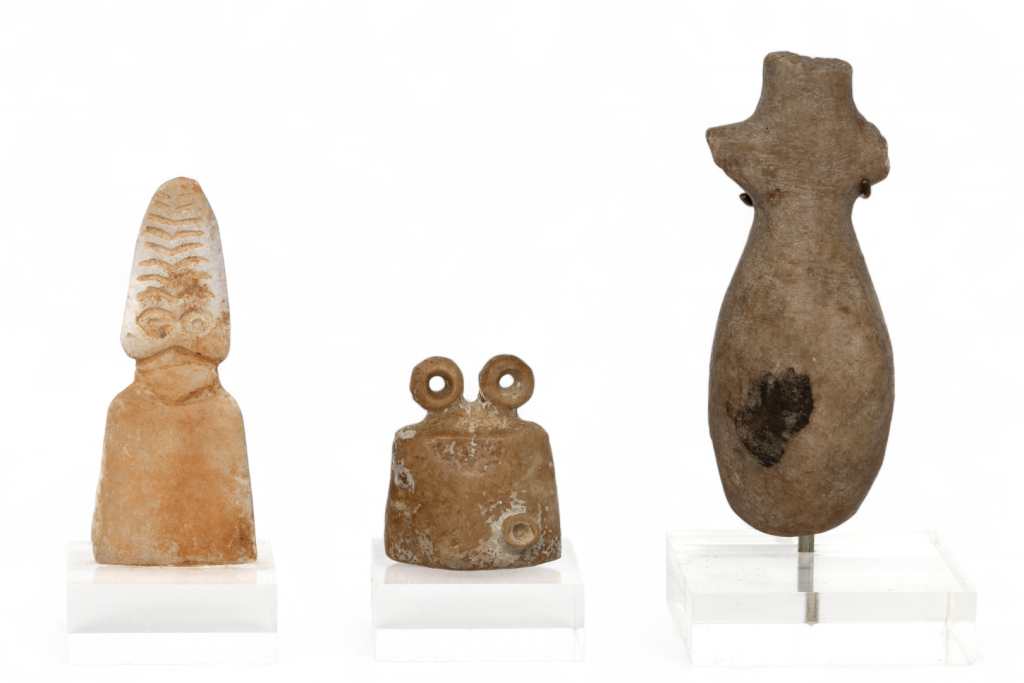
A number of beautiful rare idols will be auctioned in the autumn:
lot number 4807: a rare eye idol due to the depiction of a third eye on the body
lot number 4809 an idol with a beautiful pointed hat-like headdress
lot number 4812: a very rare idol in the form of a pregnant woman
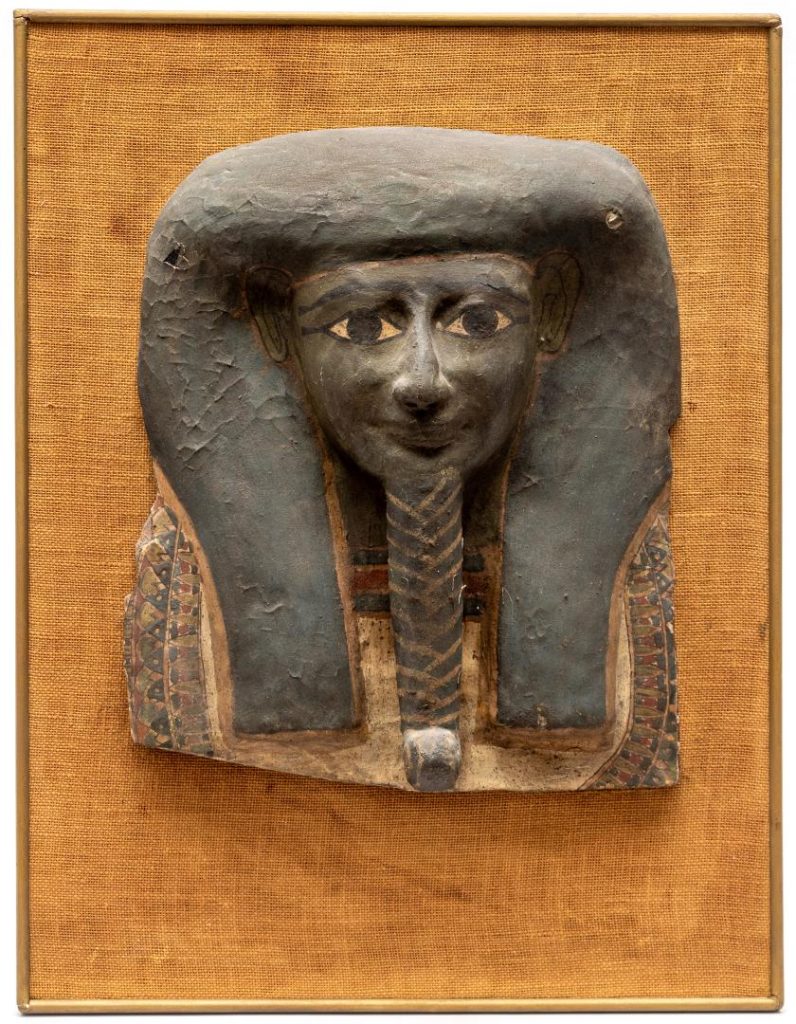
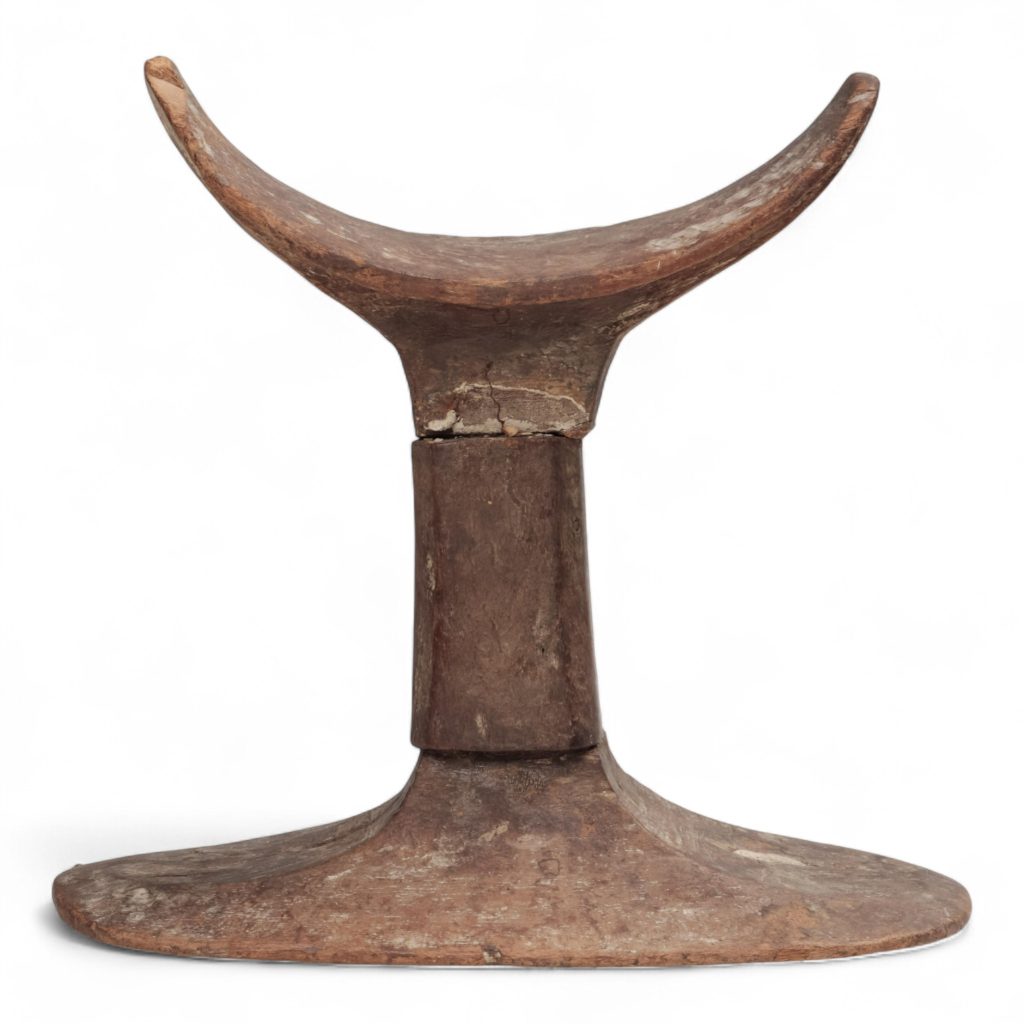
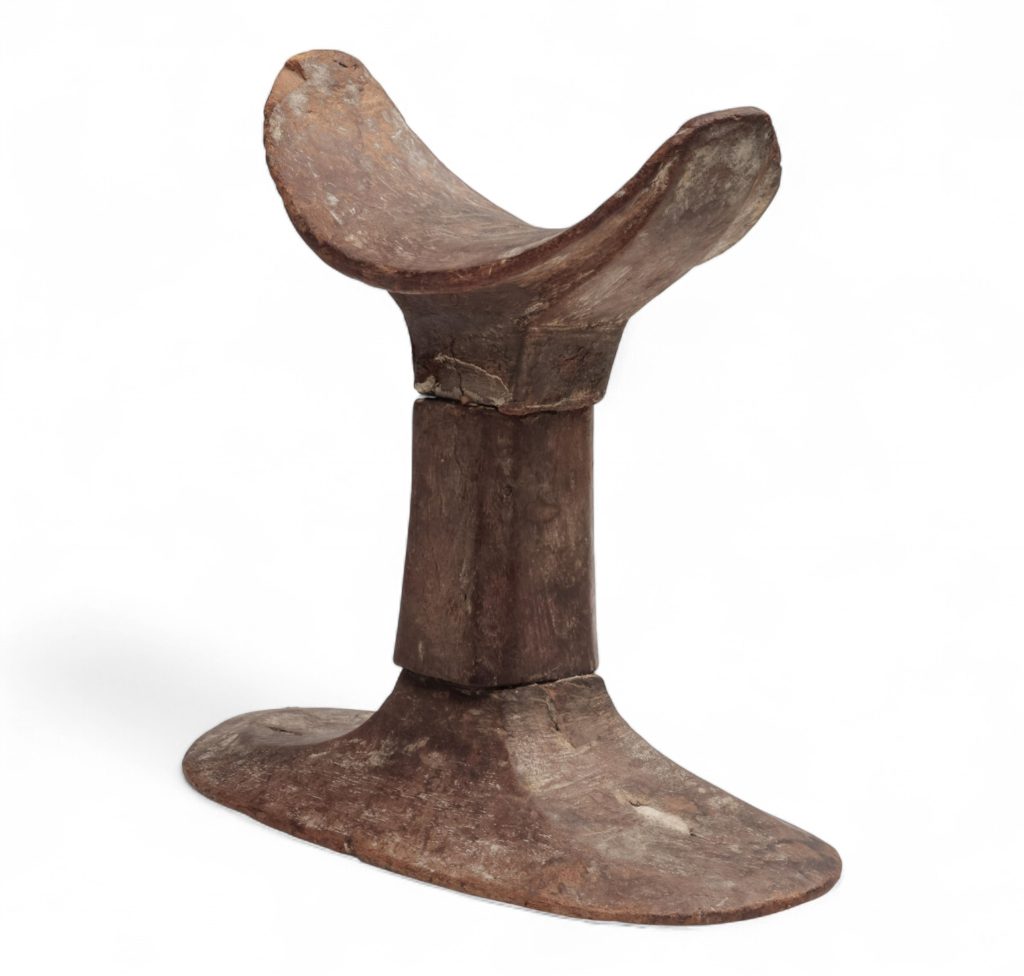
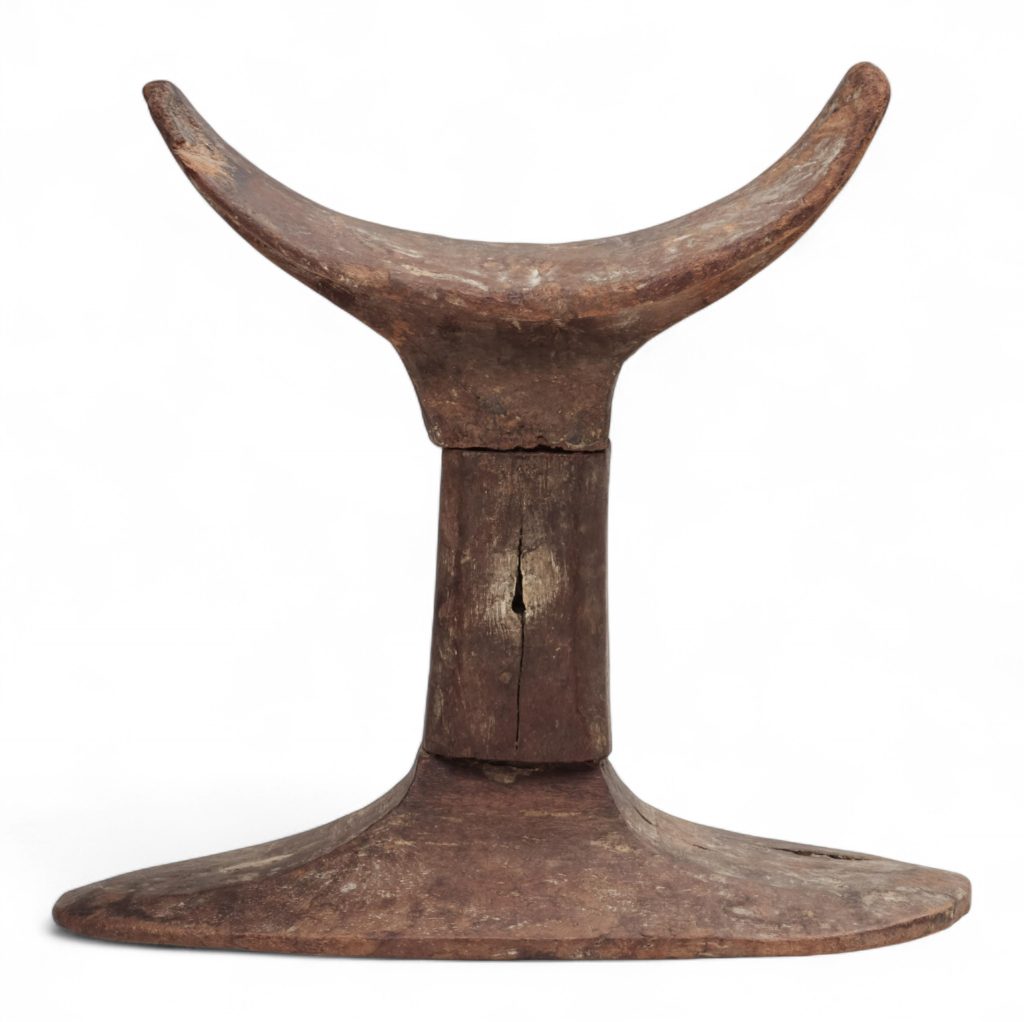
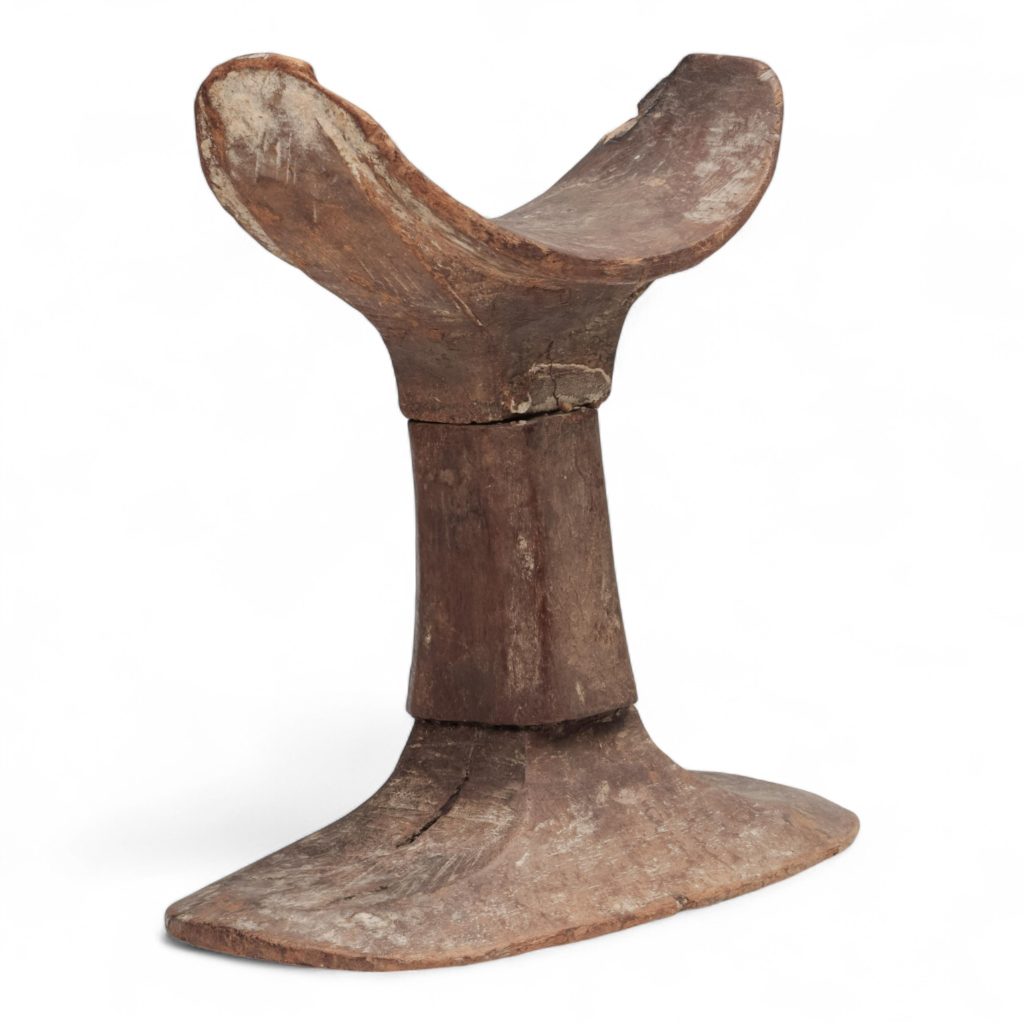
We also offer a number of unique Egyptian objects. These were collected by a tour guide who, in the 1960s, organized trips for pharmaceutical industry executives to Egypt and later to various South American countries. Of particular note are the Ptolemaic (ca. 3321–30 BC) wooden mummy mask, lot number 4801, and a neck rest from the New Kingdom of Egypt (1550–1070 BC), lot number 4800. These neck rests, with their simple and pure design, served as a model for the well-known neck rests of later African cultures.