
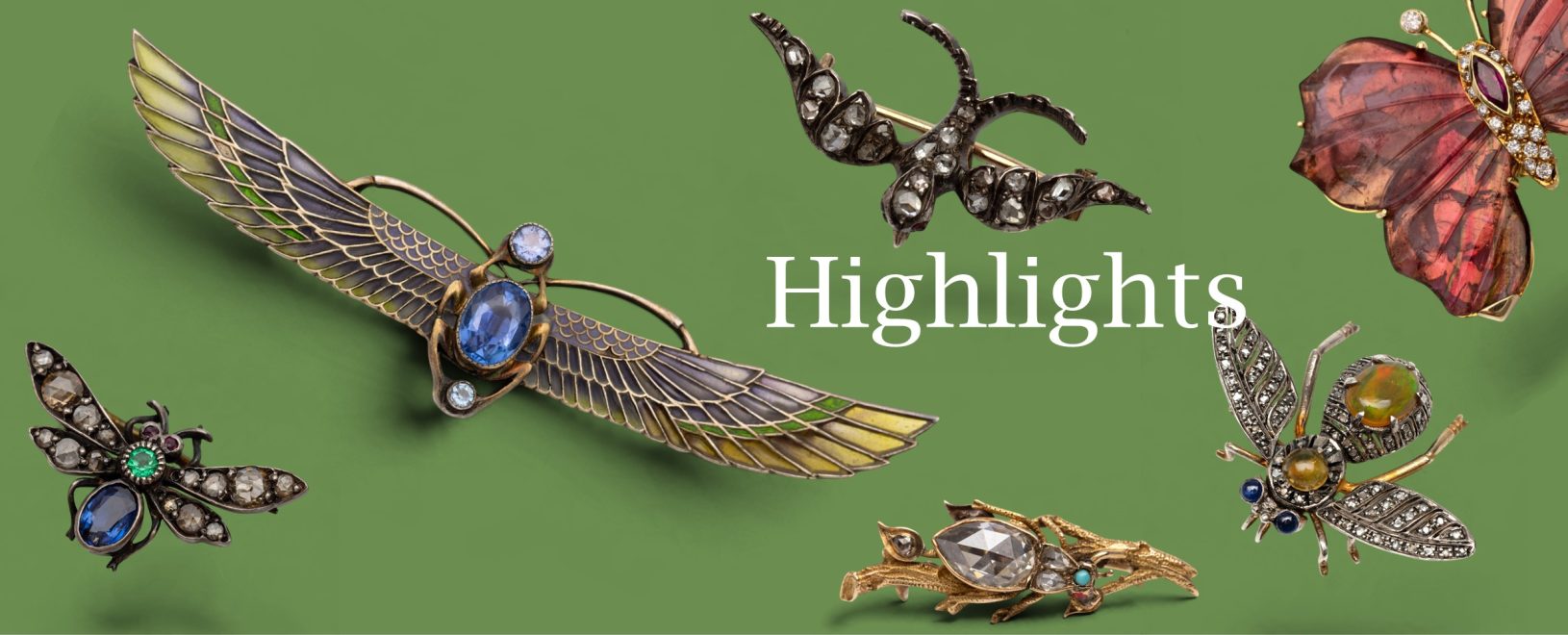
Scandinavian Design: A Timeless Classic, not only in Furniture, but also in Jewellery
Denmark – Georg Jensen (1866–1935)
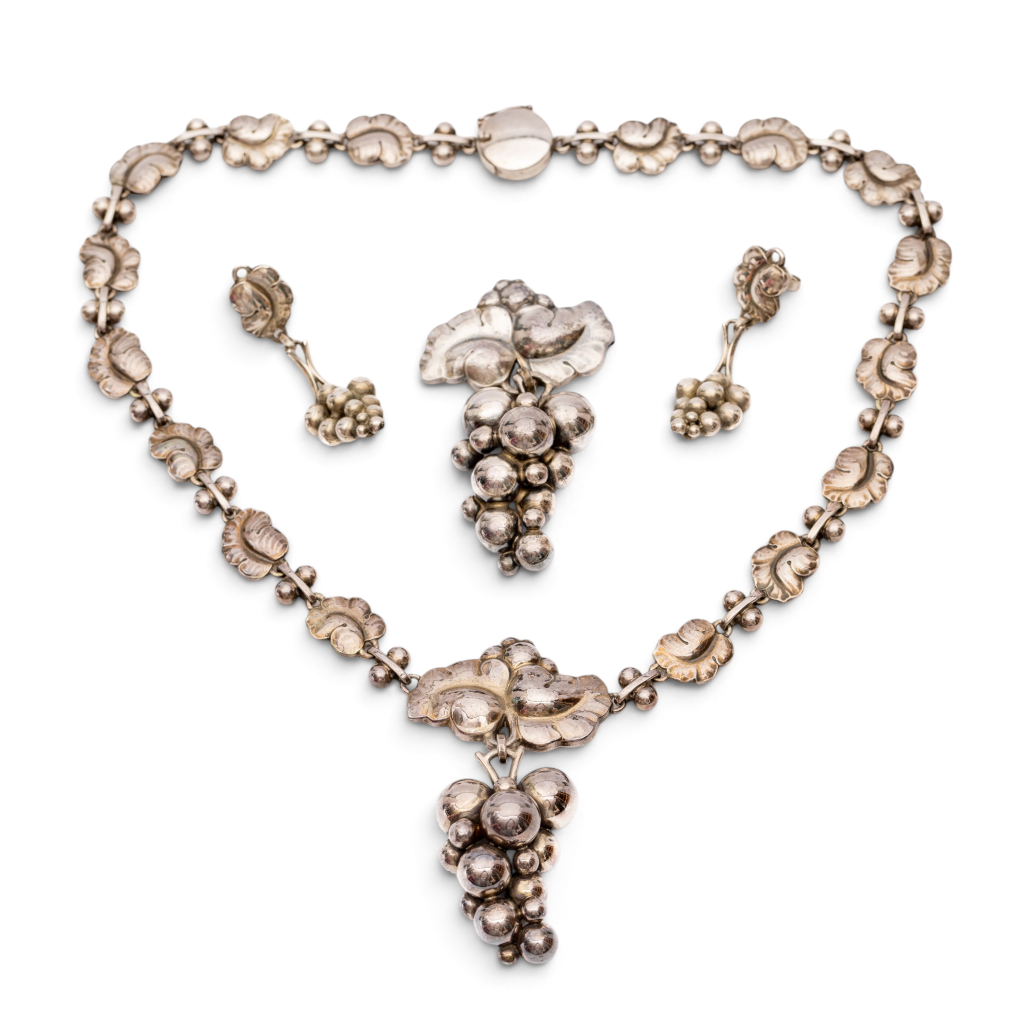
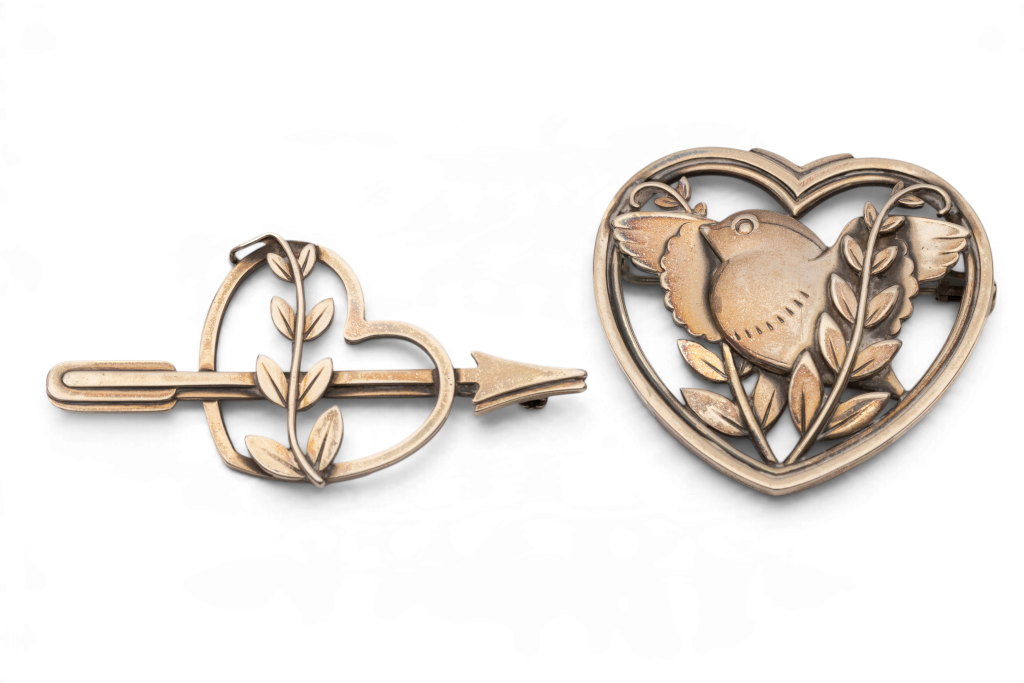
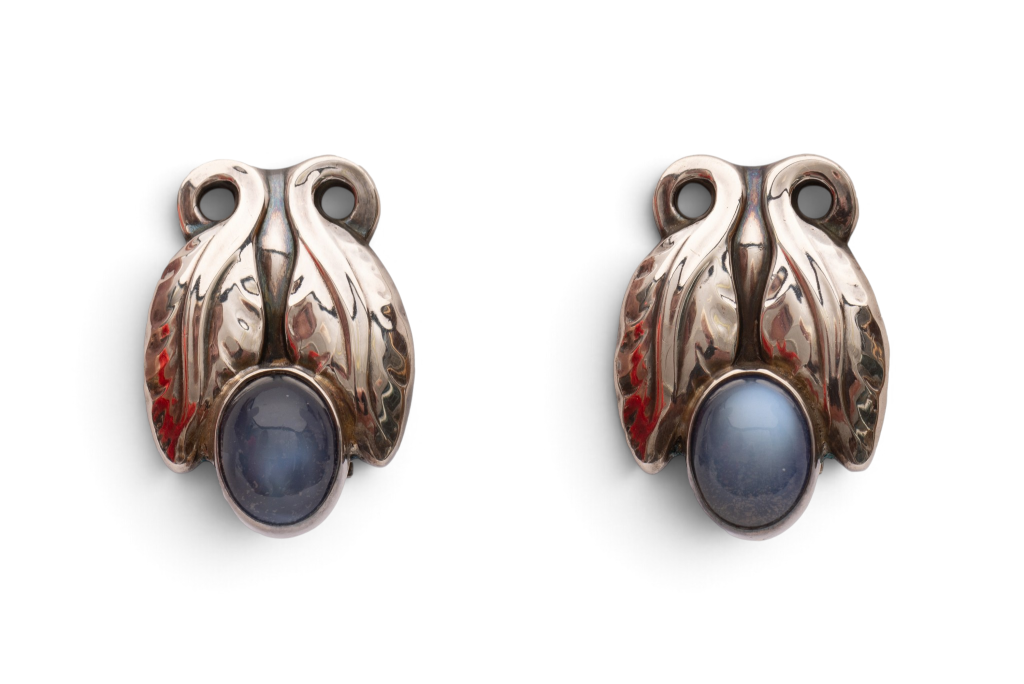
The Danish silversmith, designer and artist Georg Jensen founded his own silversmithing workshop in Copenhagen in 1904. His training as both a goldsmith and a sculptor came together in an innovative style that placed craftsmanship, beauty and functionality at its heart. His jewellery, in particular, became renowned for its organic, almost sculptural forms, inspired by flowers, leaves and other motifs from nature. He frequently worked with silver, combined with colourful stones such as amber, malachite, moonstone and opal.
Jensen created jewellery that was both artistic and accessible, deliberately moving away from the lavishly gem-encrusted jewels of his time. His designs were closely aligned with the international Art Nouveau and Arts and Crafts movements. Through his innovative approach to design and meticulous attention to craftsmanship, his work achieved international success, establishing him as one of the founding figures of modern Scandinavian design.
Following his death in 1935, the silversmithing house continued to innovate. Designers such as Henning Koppel and Vivianna Torun Bülow-Hübe brought a more modern, abstract aesthetic to its jewellery collections. From the 1960s onwards, Torun created jewellery with simple, flowing forms that seemed to move naturally around the body. Later designers, including Nina Koppel and Zaha Hadid, continued to build on this combination of sculptural design and functionality.
Lot numbers: 341, 342, 348
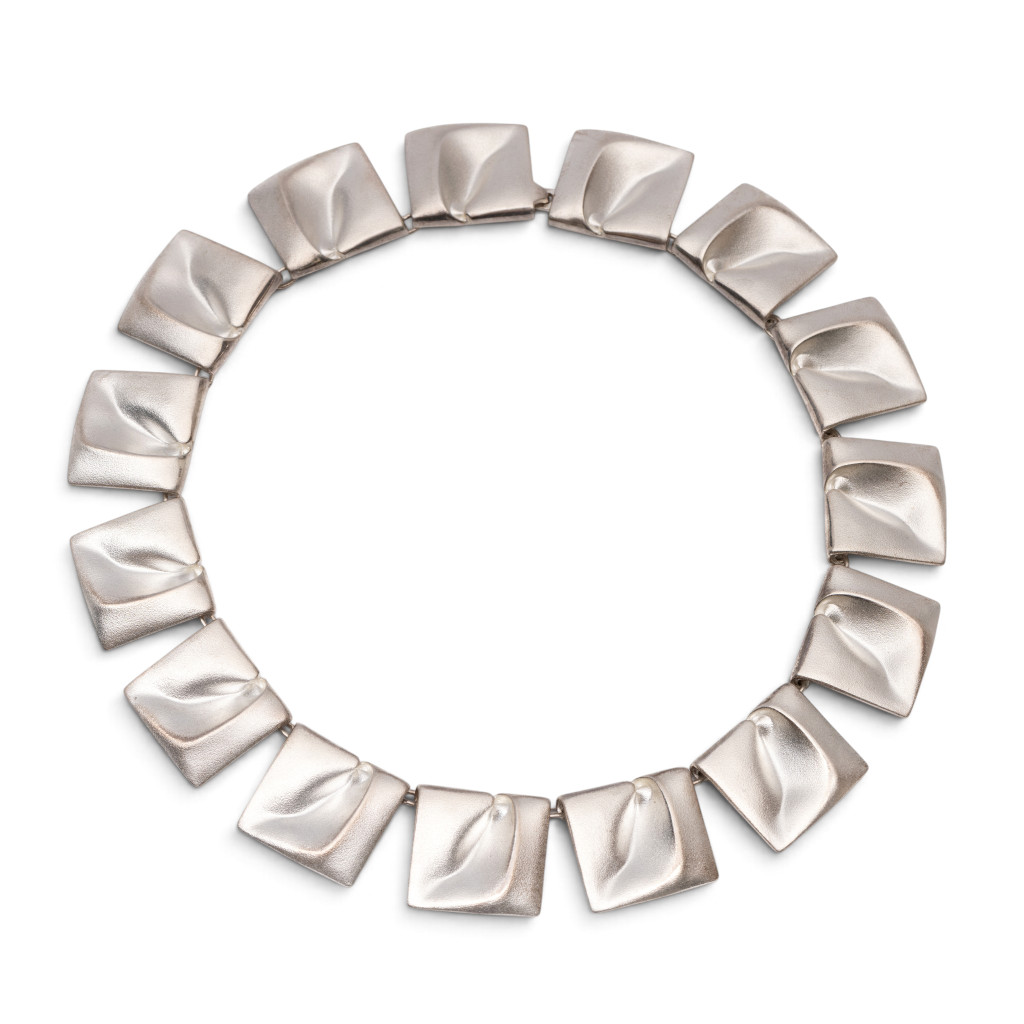
Finland – Lapponia
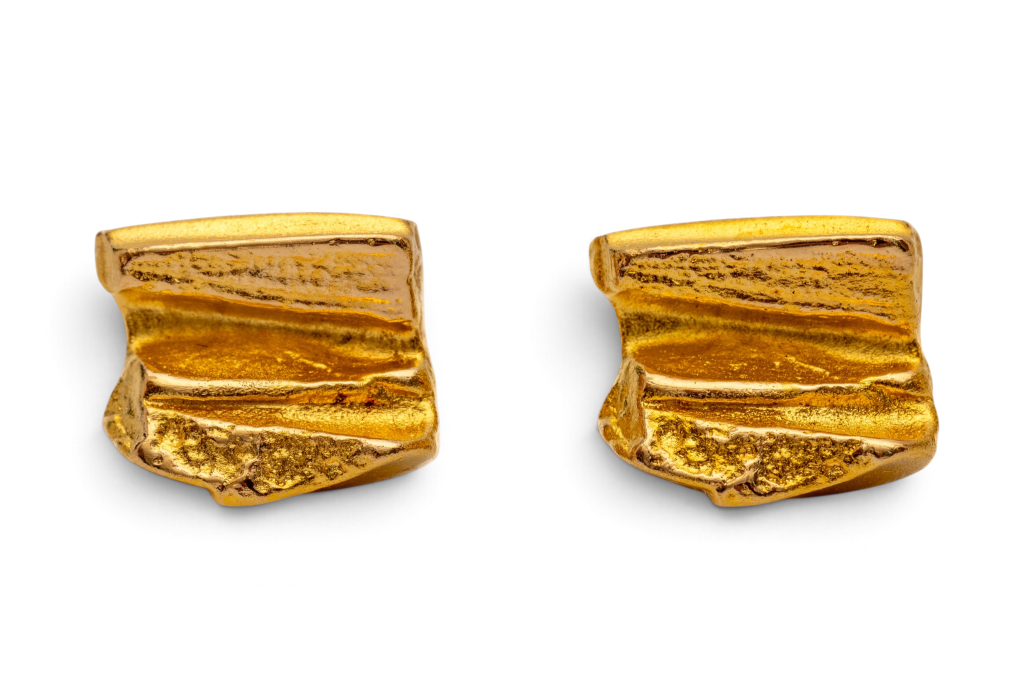
The story of Lapponia Jewelry began in 1960, when silversmith Pekka Anttila founded the company in Helsinki. A major breakthrough came in 1963 with the arrival of Finnish artist and goldsmith Björn Weckström. He aspired to create jewellery that was more than mere adornment: miniature sculptures in which nature, landscape and imagination converged.
Weckström drew inspiration from the rugged landscapes of Lapland and the natural, matte appearance of Finnish gold. His jewellery consequently developed a distinctive, organic and sometimes almost futuristic aesthetic. He combined gold and silver with materials including gemstones and acrylic, and deliberately gave his designs individual names, lending each piece its own identity. His innovative style marked a significant breakthrough in Finnish jewellery design. In 1965, his Flowering Wall necklace won an international design competition in Rio de Janeiro, bringing Lapponia worldwide recognition.
During the 1960s and 1970s, Weckström also became fascinated by space, Zen Buddhism and the moon landing. This led to his celebrated Space Silver series, featuring designs inspired by planets, the universe and the relationship between humanity and the cosmos. His most famous creation is the Planetoid Valleys necklace, worn by Carrie Fisher as Princess Leia in Star Wars in 1977. This appearance secured Lapponia an iconic place in the history of modern jewellery and popular culture.
Lapponia continued to evolve, collaborating with various artists over the years. The combination of traditional craftsmanship and innovative techniques, including acrylic and later 3D technology, remained a defining characteristic of the brand. In 2005, Lapponia became part of Kalevala Jewelry, and from 2020 onwards, the collection continued under the Kalevala name. Weckström’s designs nevertheless remain an important part of the collection and continue to be sought after by collectors worldwide.
Lot numbers: 345, 346, 347, 352, 353
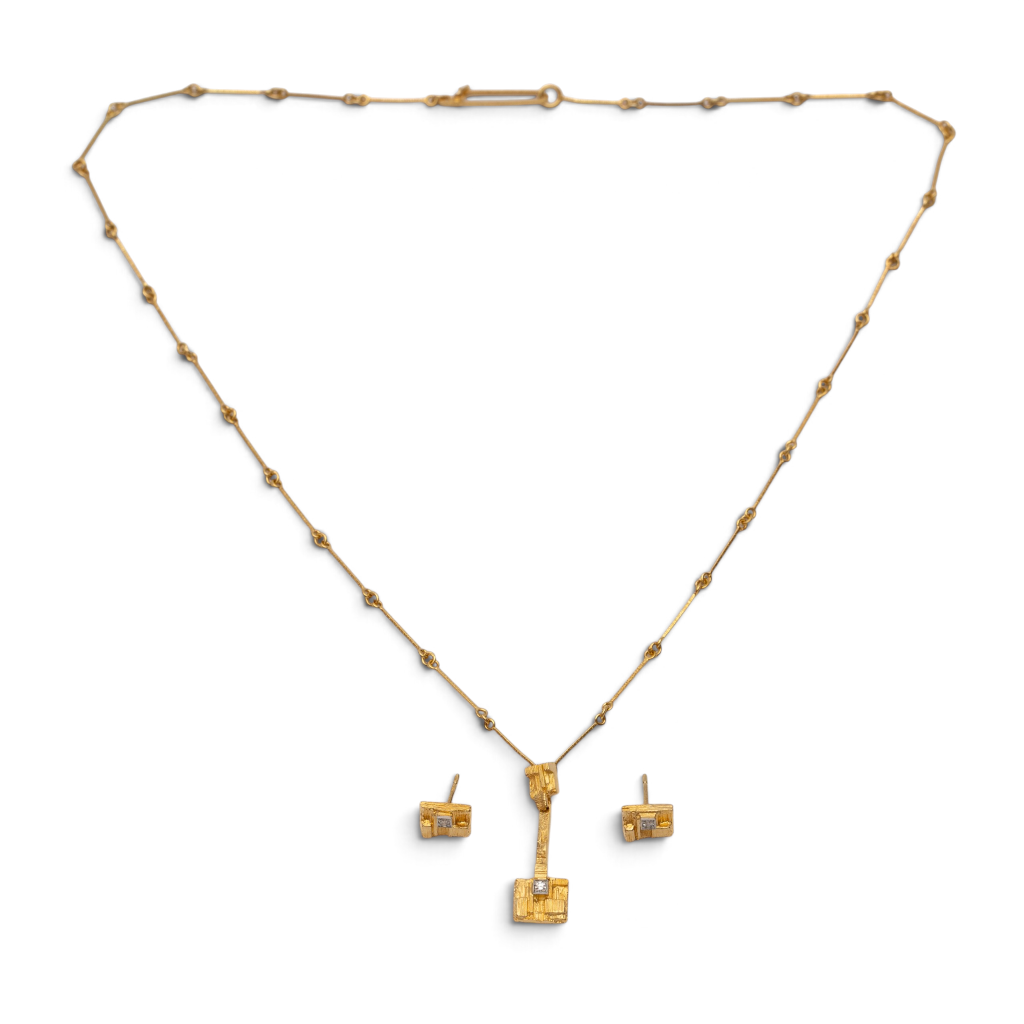
Norway – David Andersen (1843–1901)
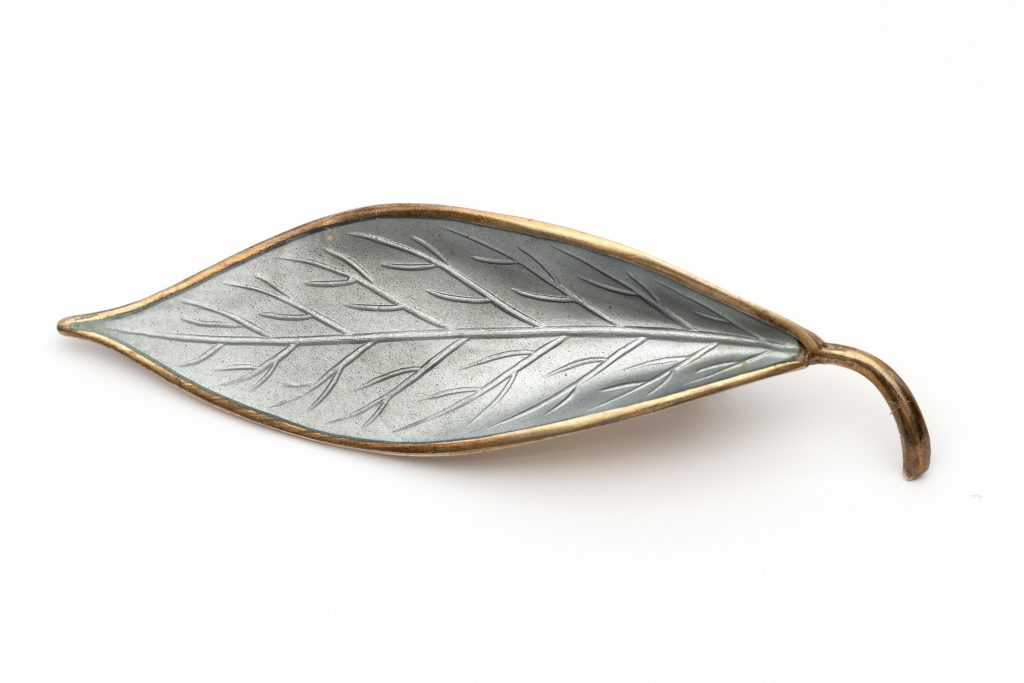
David Andersen is regarded as one of the most important Norwegian goldsmiths and silversmiths of the nineteenth century. Born in Østre Toten, he began his apprenticeship in 1859 with the renowned jeweller Jacob Tostrup in Christiania, now Oslo. After travelling and gaining professional experience in cities including Berlin, Paris and London, he established his own workshop in 1876.
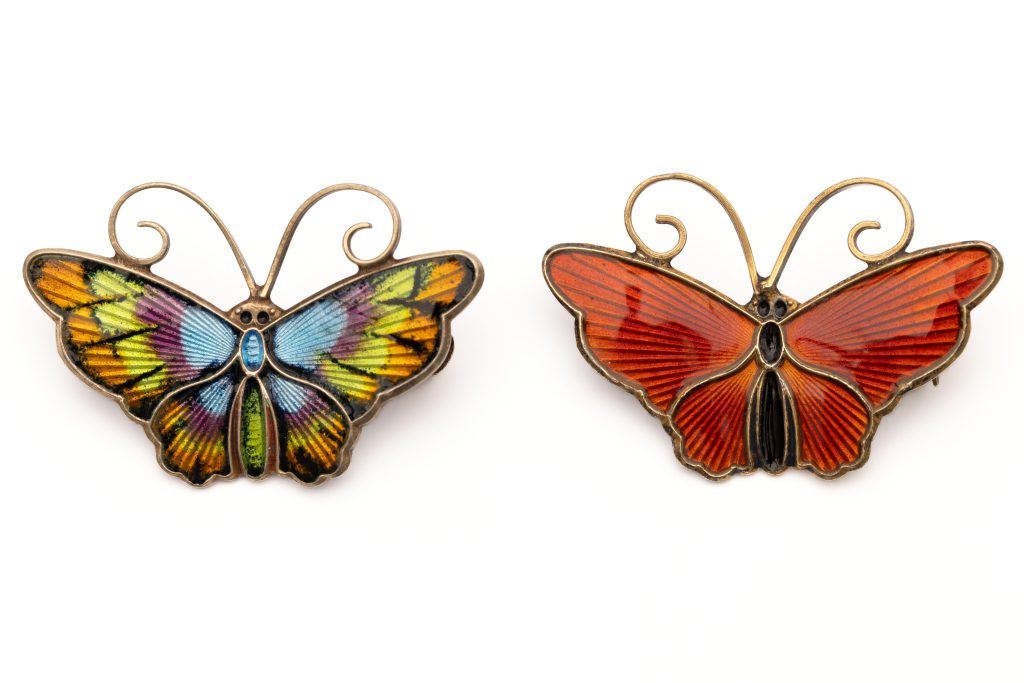
The company quickly developed into a leading Norwegian jewellery house and gained international recognition. At the 1900 Paris Exposition Universelle, David Andersen received two gold medals. Its exquisite, colourful enamel work, particularly plique-à-jour, became a defining hallmark. This translucent enamel allowed light to pass through, revealing the silver beneath and creating an almost glass-like effect. Many designs drew inspiration from Norwegian nature, mythology and culture. The quality and originality of the work established the company’s international reputation.
Following Andersen’s death in 1901, his son Arthur took over the business, and the name was officially changed to David-Andersen. He expanded the use of enamel to gold and silver jewellery as well as decorative and functional objects. Throughout the twentieth century, the house collaborated with several prominent Norwegian artists and designers, evolving through Art Nouveau and the Norwegian Dragestil style to Art Deco and Scandinavian Modernism.
David-Andersen has remained a family business and today combines its rich historical design archive with contemporary jewellery, bespoke commissions and restoration services. Norwegian craftsmanship, original design and quality built to last for generations remain at the heart of the house. In 2026, David-Andersen celebrates its 150th anniversary.
Lot numbers: 343, 344, 355
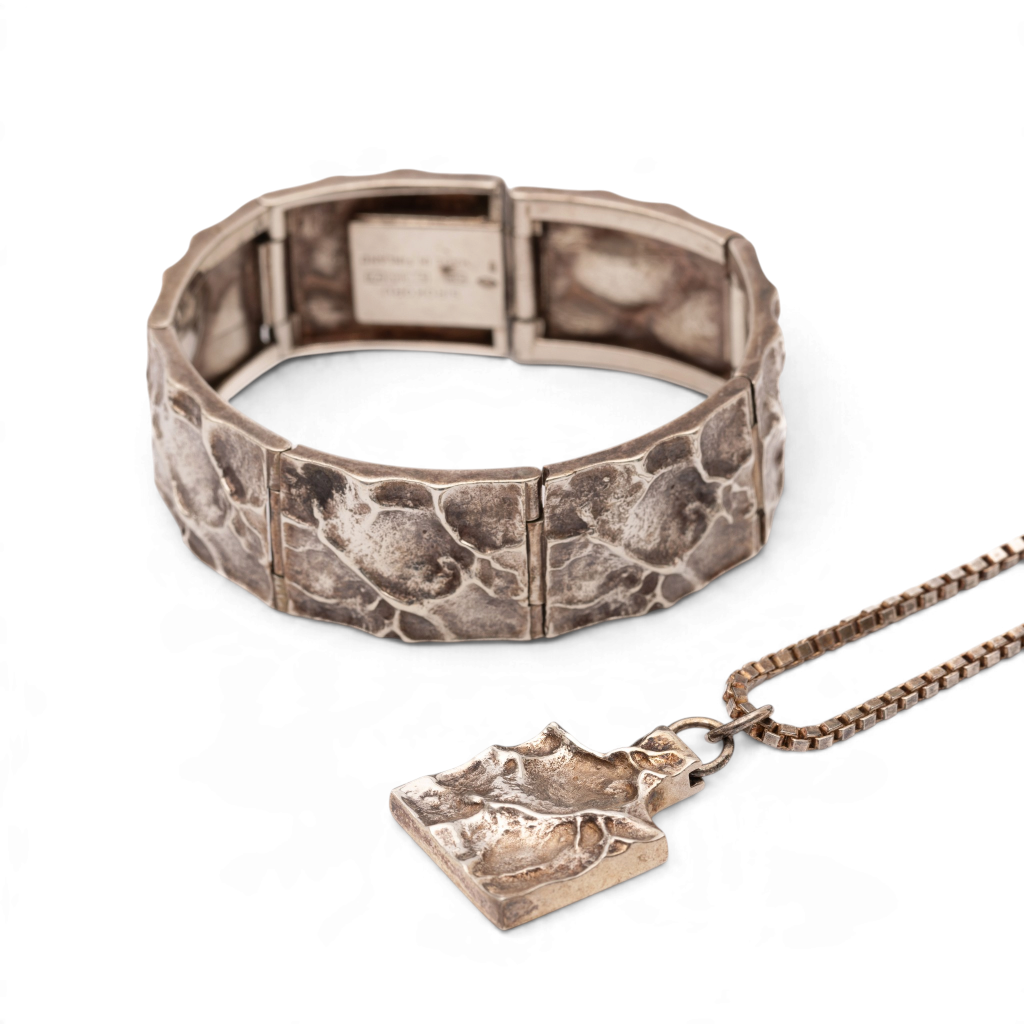
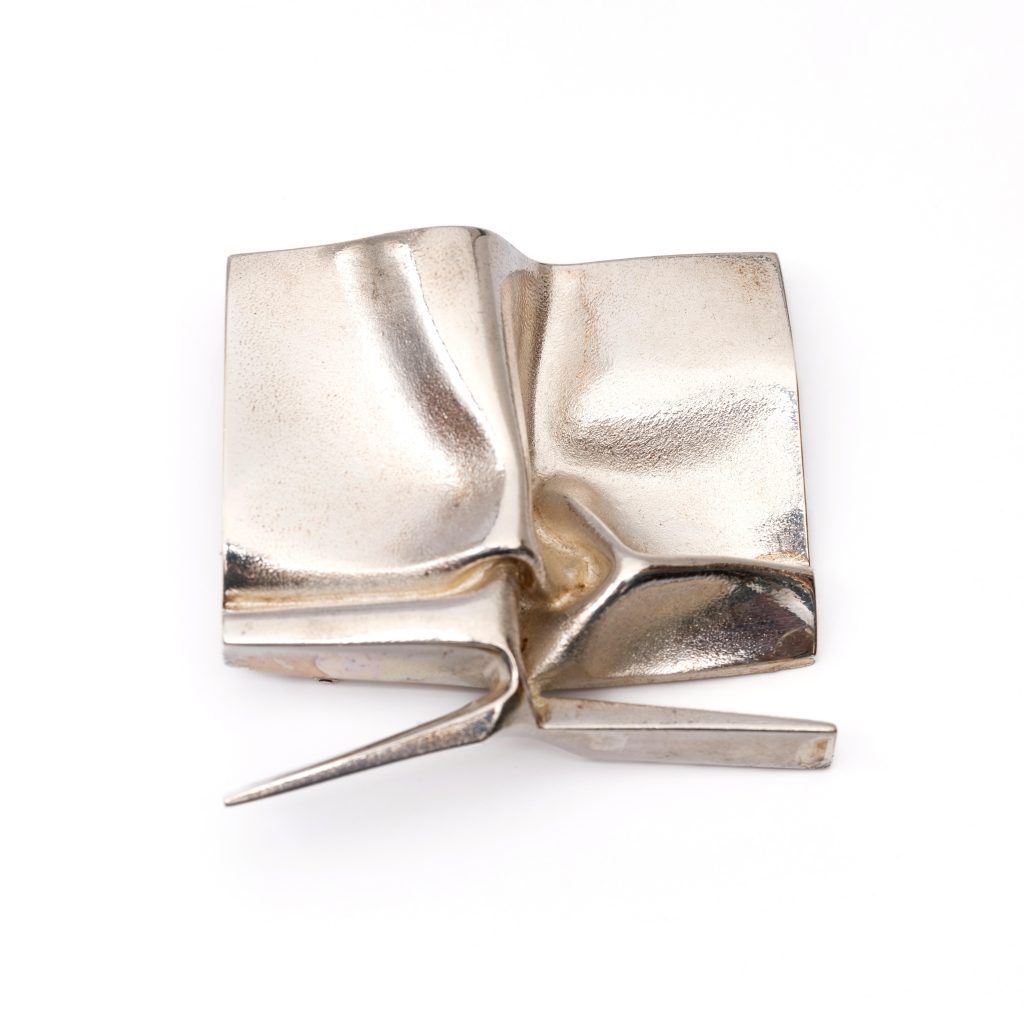
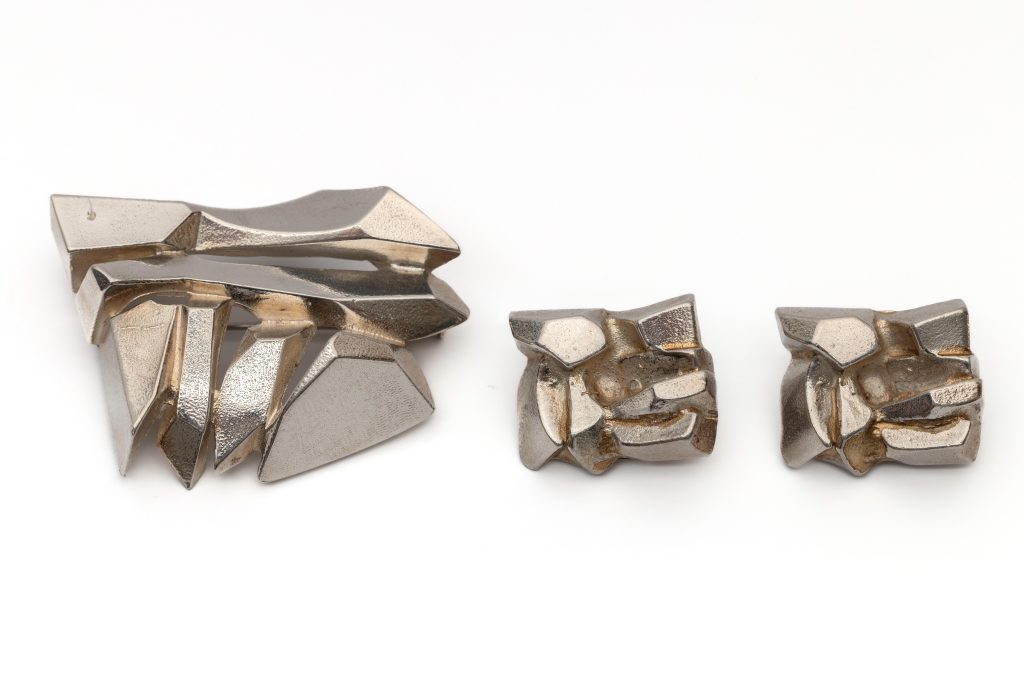
Finland – Matti J. Hyvärinen – Sirokoru (1937–2017)
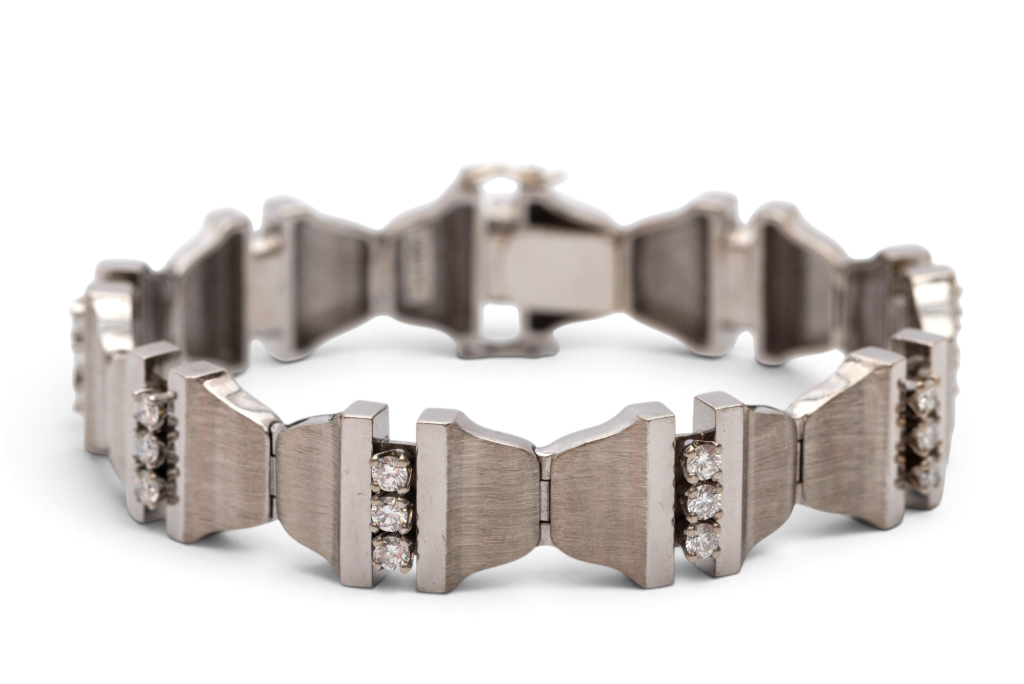
The Finnish jewellery designer, sculptor and painter Matti J. Hyvärinen is regarded as one of the leading figures of Finnish Modernism. In 1958, at just 21 years of age, he founded his own company, Sirokoru, in Turku. From the 1960s onwards, he built an international career, and his work was eventually exhibited at more than one hundred exhibitions across Europe, America and Asia.
Hyvärinen viewed jewellery as wearable art. His designs, often executed in silver, are bold, minimalist and sometimes almost sculptural. He drew inspiration from the rugged beauty of the Finnish landscape, translating it into organic forms and expressive surfaces reminiscent of rocks, tree bark, ice, wind and water. Rather than being merely decorative, his jewellery is robust, tactile and full of vitality.
His international breakthrough came in 1967, when he became the only Finn to win the prestigious De Beers Diamonds International Award for his brooch The Rich and the Poor. In 1987, he became the first recipient of the Goldsmith of the Year award presented by the Finnish Goldsmiths’ Association. Hyvärinen was also a friend and contemporary of other prominent Finnish designers from Turku, including Jorma Laine, Elis Kauppi and Pentti Sarpaneva.
Hyvärinen continued to develop his company and jewellery designs for more than six decades. He frequently employed the lost-wax casting technique, in which a model is handcrafted and subsequently cast in metal. His creations became distinctive examples of modern Scandinavian jewellery design.
Following his death in 2017, Sirokoru continued its work under the leadership of his children, Tina and Tomi Hyvärinen. In this way, not only does his business live on, but so does his vision of jewellery as miniature sculptural artworks that celebrate the raw beauty of the Finnish landscape.
Lot number: 359